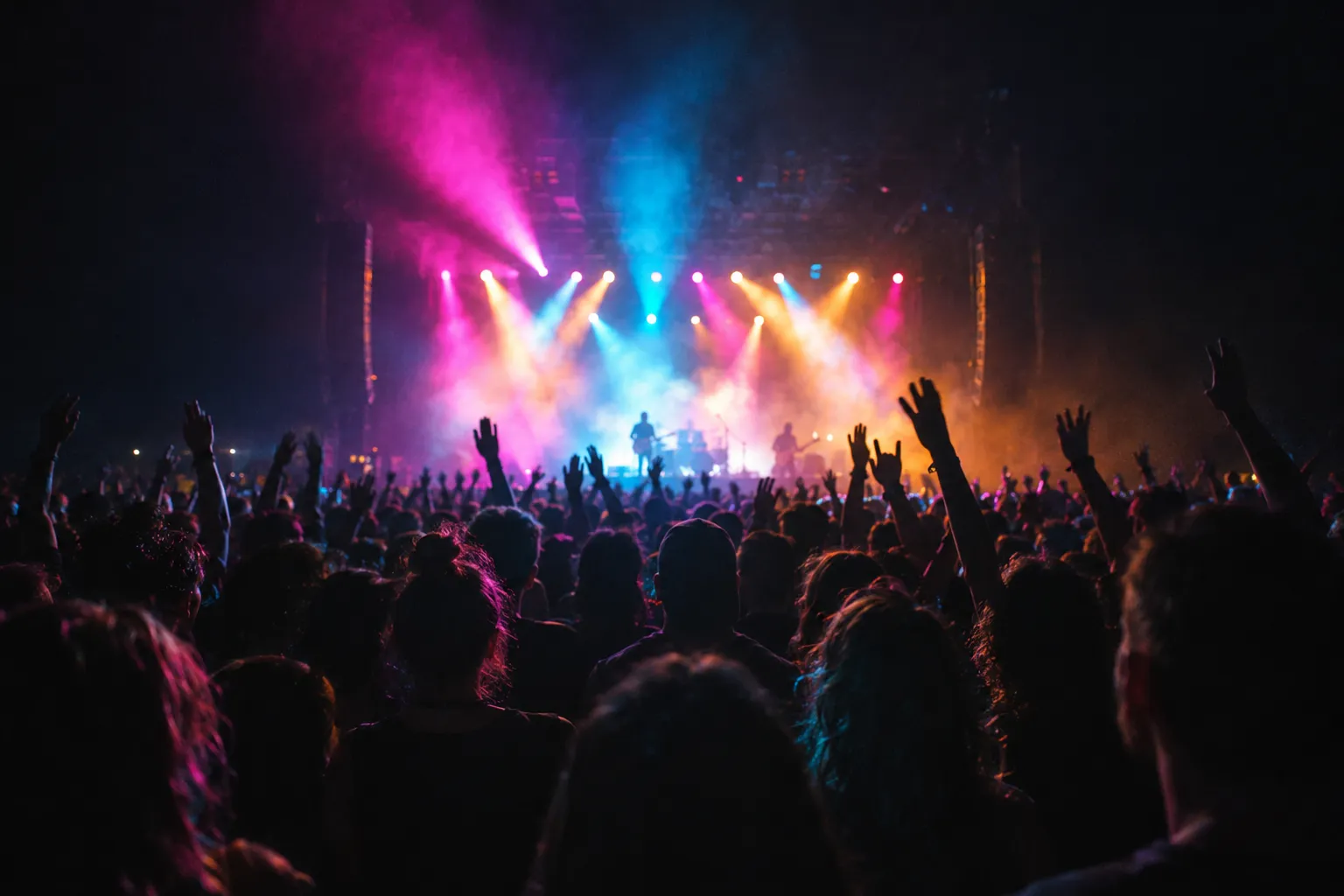
BE LOUD.
BE SAFE.
We educate, motivate, and train people to protect, preserve, and care for the precious sense of hearing. We also sell and distribute best-in-class hearing protection for children, youth, and adults.
- 40Refrigerator hum
- 65–80Talking at arm’s length
- 80–100Lawn mower
- 94–110Sporting event
- 95–115Concert / nightclub
- 140–160Fireworks · impulse noise
*Approximate examples, not measurements of your event; level varies with distance and conditions. CDC examples
85 dBA: 8-hour time-weighted average, NIOSH workplace recommendation, not a universal safe threshold. Understand sound level + time
Who are we protecting today?
Short answers first, the full science a click away, and the right gear at the end of every guide.

Protection for every kind of loud
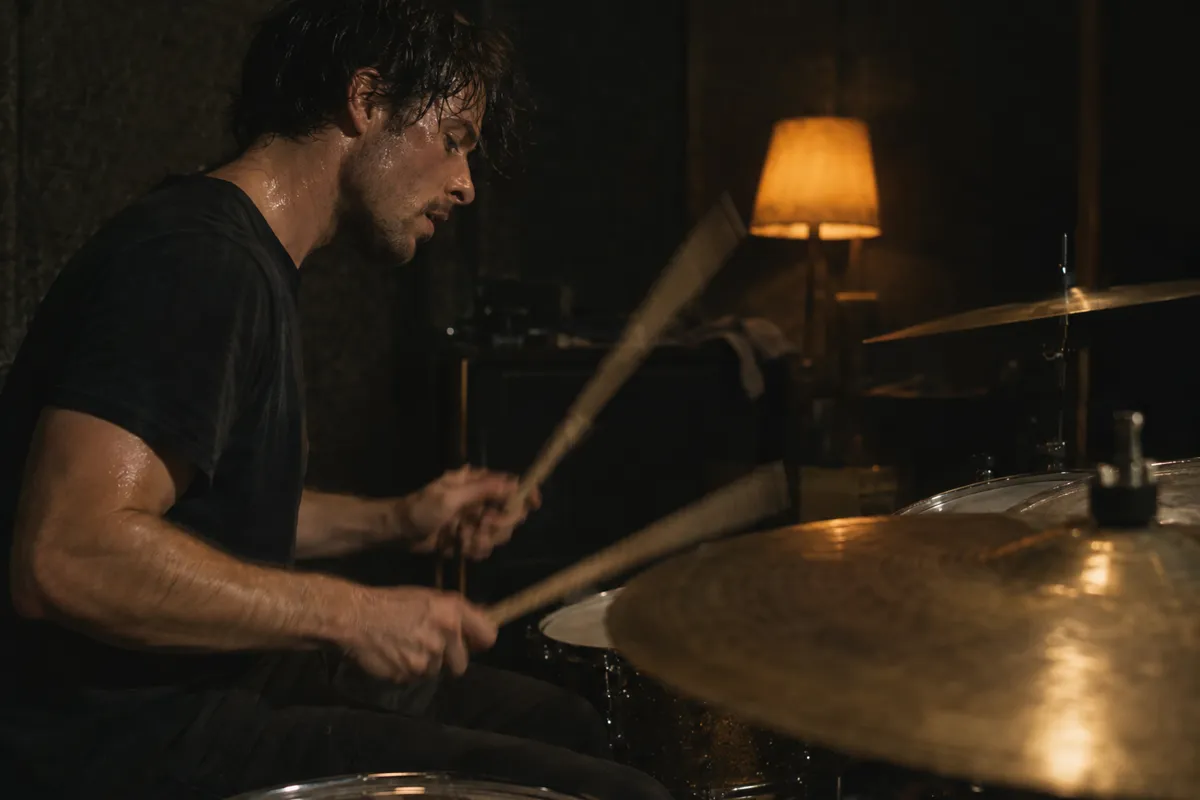
Official 3M and Your Ears Rock products: earplugs that keep music sounding like music, earmuffs for kids, and electronic protection for the range and the jobsite.
Not sure where to start? Find your quiet matches products to concerts, work, sleep, travel and more.
The third most common chronic condition in the U.S., and it rarely announces itself.
Young adults at risk of noise-induced hearing loss
World Health OrganizationAmericans have tinnitus
People exposed to hazardous noise at work daily
Children 6–17 already have noise-induced hearing loss
Hearing loss is twice as prevalent as diabetes or cancer in the United States.
Hearing loss is linked to a higher risk of dementia. Explore the research below.
About 30 million Americans ages 20–69 have high-frequency hearing loss from noise at work or in leisure.
Your hearing.
Your connections.
Your brain.
Higher dementia risk associated with different degrees of hearing loss in one long-term study. Johns Hopkins Medicine
Why this connection deserves attention
A study following 639 adults for nearly 12 years found that mild hearing loss was associated with about twice the risk of dementia, moderate loss with three times the risk, and severe impairment with five times the risk. Johns Hopkins Medicine
These are relative-risk findings from an observational study, not a prediction of an individual’s future or proof that hearing loss causes dementia. The figures should not be read as a promise that hearing protection or hearing aids prevent dementia.
Hearing difficulties can make conversation and social connection harder. If you notice a change, a hearing evaluation is a practical next step rather than putting it off. Johns Hopkins Medicine
Learn about hearing aids & getting helpSource addresses: copy or select a URL
https://www.hopkinsmedicine.org/health/wellness-and-prevention/the-hidden-risks-of-hearing-lossFour easy ways to protect your hearing
Turn it down
Decibels are logarithmic: every 3 dB increase roughly doubles sound intensity; a 3 dB decrease roughly halves it. Lowering the level reduces your sound dose. CDC/NIOSH
Wear protection properly
Use well-fitted earplugs or earmuffs when you cannot avoid loud sound. Follow the product’s fitting instructions; protection depends on how well it is worn. NIH/NIDCD
Move away from the source
Increase your distance from the sound source, whether it is a speaker, machine, tool, or engine. Do not rely on distance alone when the area remains loud. NIH/NIDCD
Limit exposure time
Sound level determines how quickly exposure adds up. Under NIOSH guidance, each 3 dBA increase halves the time to the recommended daily dose. See levels and times
Noise does not care how old we are.
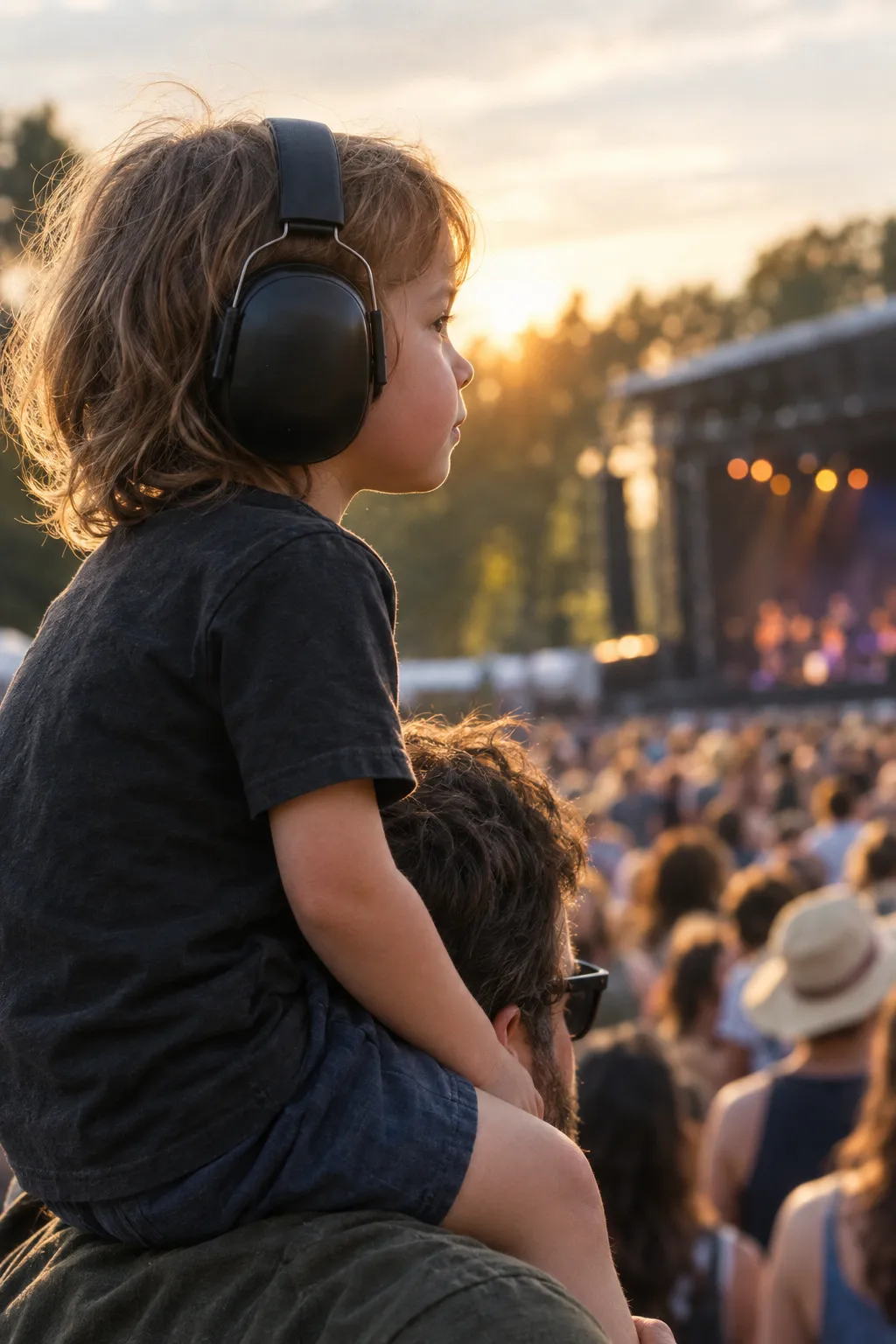
What matters is what we expose our ears to: how loud, how close, and for how long. Help children build hearing-protection habits that last a lifetime. NIH/NIDCD
Plan ahead for noisy events, bring properly fitted hearing protection for your child and yourself, and move to a quieter place when needed. Choose protection appropriate for the child’s size and follow the manufacturer’s instructions. NIH/NIDCD
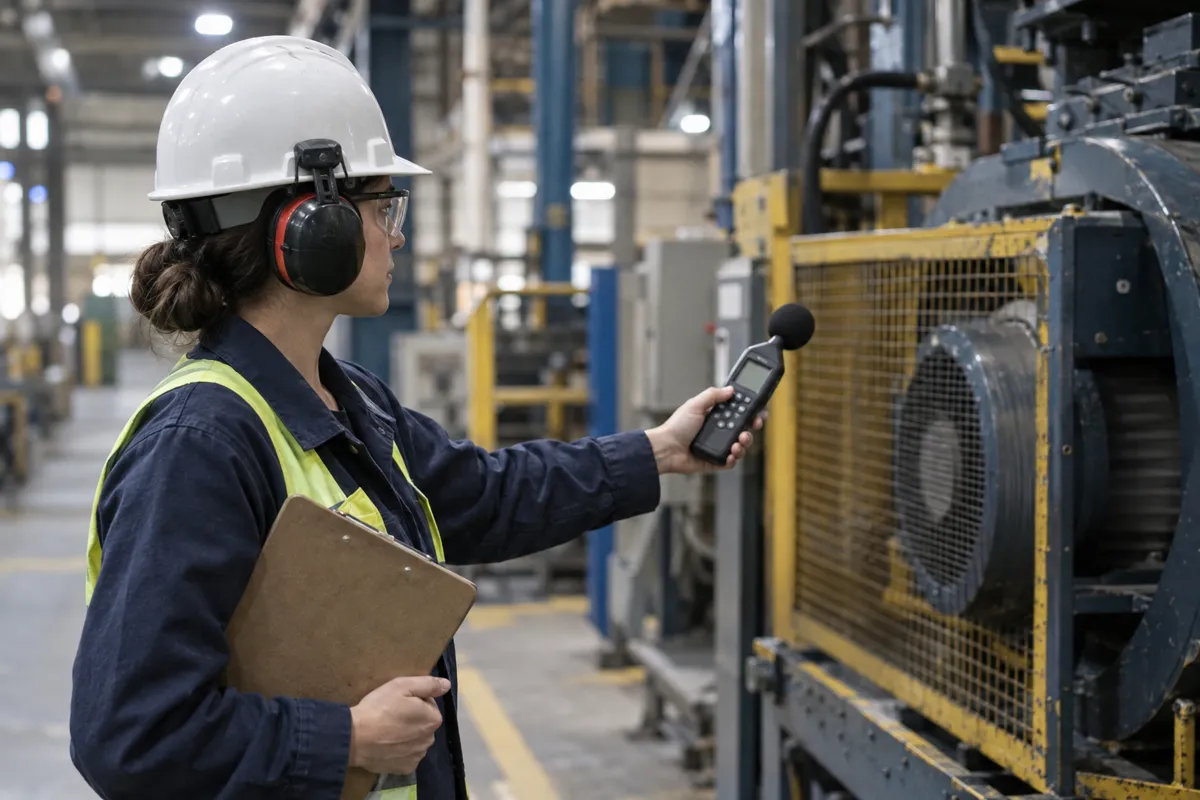
Training, OSHA compliance and branded protection
Sound surveys, dosimetry, on-site audiometric testing and evidence-based training programs that meet OSHA Standard 29 CFR 1910.95. Plus custom branded earplugs, earmuffs, hard hats and safety glasses, made in the USA.